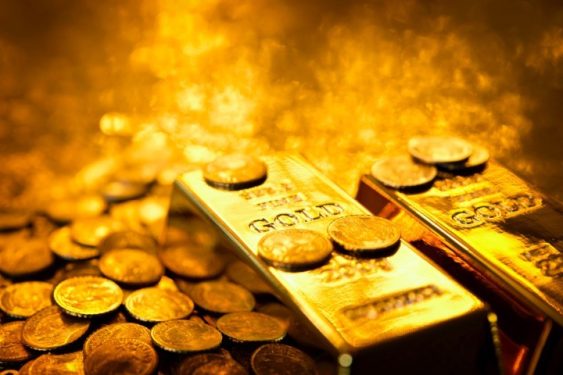
China, Russia Buy Gold as Part of Huge Wealth Transfer From West to East
Shifting conditions in the global gold market further suggest that the West is being left behind as Eastern institutions ascend. The price of...
Shifting conditions in the global gold market further suggest that the West is being left behind as Eastern institutions ascend. The price of...

The Bill Gates- and Rockefeller-backed United Nations “50 in 5” plan aims to digitize identity, currency, and everything else on the road to...
Read more
Researchers from Guangdong University of Technology in China are now warning us that even the blue jeans we wear are contributing to the...
Read more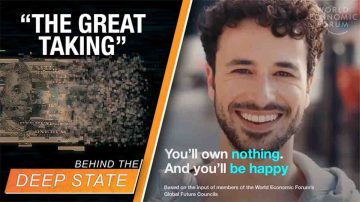
A longtime investment banker named David Webb is exposing a global plot dubbed “The Great Taking” to steal stocks and other assets from...
Read more
Former president Trump sounded a voice of warning in his CPAC speech last weekend. Also in attendance were foreign leaders like Argentine president...
Read more
Legislation to protect the property rights of investors in South Dakota from a complex scheme to loot humanity was deliberately sent to a...
Read more
Warning the nation is on an “unsustainable long-term fiscal path” and is faced with mounting challenges, the U.S. Government Accountability Office (GAO) issued on...
Read more
President Joe Biden couldn’t be bothered to submit to a pre-Super Bowl interview with friendly CBS News, but he did have time to...
Read more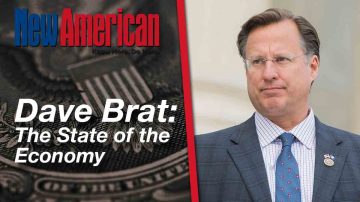
The New American’s Steve Bonta gets former three-term Virginia congressman and Liberty University Vice Provost Dave Bratt’s take on debt, inflation, and other...
Read more
The U.S. deficit is projected to grow from $1.6 trillion in fiscal year 2024 to $2.6 trillion in 2034, according to the full 10-year...
Read more
The temporary halt of approvals for new liquefied natural gas (LNG) export terminals by the Biden administration will imperil trust in the industry,...
Read more
The ESG (environment, social, corporate governance) investment concept has become quite toxic politically, mainly due to its corporate arm-twisting in favor of leftist...
Read more
Former U.S. President Donald Trump told advisors that he wants to enforce a 60-percent tariff on all imports from China if he wins...
Read more
The looming economic transformation being peddled by the Deep State including “Natural Asset Companies,” public-private partnerships, Central Bank Digital Currencies, and the Bank...
Read more
Two recent polls of small-business owners refute the claim that Bidenomics is “building the economy from the middle out,” and show instead that...
Read more